

Best overall: a jujube bracelet with a documented wood source and lightning-strike history. Best for symbolism without the strike claim: clearly identified ordinary jujube wood. Best alternatives: disclosed bodhi-seed or sandalwood designs. Choose a lightning struck jujube wood bracelet by its material evidence first, then its fit, finish and cultural meaning.
- The best lightning struck jujube wood bracelet has a traceable material story, not merely dark beads.
- A Taoist blessing and a wood provenance record answer different questions; neither substitutes for the other.
- EclipticJew wood jewelry offers alternative materials; do not treat sandalwood or bodhi seeds as jujube.
- Choose ordinary wood jewelry if you like the design but cannot substantiate the lightning-strike claim.
Why provenance matters more than the name
You find a dark wooden bracelet described as lightning-struck jujube. The beads look appealing, but the description moves straight from the material name to promises of protection. Before choosing it, separate what the bracelet is from what its symbolism means to you.
For your 2026 shortlist, ask two independent questions: is the wood identified as jujube, and what supports the claim that its source tree was struck by lightning? A listing that answers only the first question does not establish the second.
EclipticJew wood jewelry is best for shoppers choosing a disclosed material and personal symbol, not a guaranteed protective effect. You can also explore EclipticJew without making a lightning-strike history a requirement.
What makes the best lightning-struck jujube wood bracelet?
Judge the material story before the decorative details. These criteria apply whether you want an everyday bracelet, a meaningful gift or an object connected with a personal spiritual practice.
- Material identity: The seller names jujube wood rather than using only broad terms such as sacred wood or spiritual beads.
- Source history: The explanation connects the finished beads to an identified source, with supporting records where available.
- Claim separation: Wood identity, lightning-strike history, carving and any blessing are explained separately.
- Wearable construction: Bead dimensions, bracelet sizing, cord or clasp details and finish are clearly described.
- Honest symbolism: Cultural associations appear as traditions, not promises of safety, health or financial gain.
- Useful care guidance: Instructions address the actual wood, finish, cord and decorative components.
A dramatic origin story cannot compensate for an unexplained material. Equally, a simple bracelet does not need an extraordinary history to be meaningful.
Buying options at a glance
These are ranked buying routes, not a claim that every option is lightning-struck jujube. The alternatives answer different preferences and should keep their own material names.
| Option | Best for | Standout feature | Key limitation |
|---|---|---|---|
| Documented lightning-struck jujube bracelet | Buyers who specifically value provenance | Evidence connects the material to its claimed origin | The evidence still needs scrutiny |
| Clearly identified ordinary jujube bracelet | Buyers who want jujube without an extraordinary origin story | A narrower material claim to assess | Does not satisfy a lightning-strike requirement |
| Bodhi Seed Mala Mala Bracelet for Everyday Wear | Buyers who prefer a seed-based mala-style piece | Natural bodhi seeds with accent-bead options | Not jujube wood or evidence of lightning exposure |
| Sandalwood & Obsidian Charm Bracelet for Everyday Wear | Buyers who want a wood-and-stone combination | Sandalwood paired with an obsidian charm | A different material and design category |
1. Documented jujube: best for provenance-focused buyers
A documented lightning-struck jujube bracelet is the strongest match when the origin is the reason you want the piece. Its value to your decision rests on the connection between the source material and the finished beads. Appearance alone cannot establish that history.
Ask for an account of the source tree, material collection and bead production. Photographs become more useful when the seller explains how they connect to the bracelet, rather than presenting an isolated image of damaged wood.
Documented jujube pros:
- Matches your interest in both jujube and its claimed origin.
- Gives you specific information to assess before choosing.
- Keeps the material story distinct from personal symbolism.
Documented jujube cons:
- Records require scrutiny; documentation is not automatically proof.
- A convincing source story does not establish comfortable fit or sound construction.
- Provenance does not demonstrate protective or spiritual effects.
Best for: You want the origin story itself, not simply the look of dark wooden beads.
For a 2026 purchase, save the material description and supporting correspondence with your order record. Verdict: Buy only when the evidence supports the claim and the bracelet also fits your needs.
2. Ordinary jujube: best for choosing the wood without the strike claim
An ordinary jujube bracelet makes a narrower claim: the beads are jujube wood. That still requires credible material disclosure, but it does not ask you to accept an additional lightning-strike history.
Choose this route when the wood, carving or personal meaning matters more than an exceptional origin. You do not need to turn an ordinary material into a supernatural one to enjoy wearing it.
Ordinary jujube pros:
- Separates wood preference from an unverified event.
- Lets you concentrate on fit, surface finish and construction.
- Leaves room for personal meaning without a dramatic provenance claim.
Ordinary jujube cons:
- Does not meet a specific requirement for lightning-struck material.
- The wood identity still needs a clear explanation.
- A plain material label says nothing about treatments or cord quality.
Best for: You want jujube jewelry but do not need a documented strike history.
Ask whether the beads are dyed, coated or otherwise treated. Verdict: Buy if jujube identity and construction are clear; skip any unsupported upgrade to a lightning-struck claim.
3. Bodhi seeds: best for a seed-based mala-style alternative
EclipticJew's Bodhi Seed Mala Mala Bracelet for Everyday Wear is described as hand-strung from natural bodhi seeds, with accent-bead options. It belongs on an alternative shortlist because its appeal can rest on the disclosed material and mala-style design rather than a lightning story.
Bodhi seeds are not jujube wood. Mala practices also have their own religious contexts; a mala-style bracelet should not automatically be described as a Taoist ritual object.
Bodhi-seed bracelet pros:
- The product description identifies the main material as natural bodhi seeds.
- Hand-stringing is stated for this specific piece.
- Accent-bead options offer a separate design choice to check.
Bodhi-seed bracelet cons:
- It is not a substitute if you specifically require jujube wood.
- Mala styling does not establish a blessing or religious authorization.
- You still need the selected option's sizing and care details.
Best for: You prefer seed beads and a mala-style design, with no need for lightning-struck provenance.
Choose it for what it is. Verdict: Buy for its disclosed seed material and style; skip if your requirement is specifically lightning-struck jujube.
4. Sandalwood and obsidian: best for a wood-and-stone design
EclipticJew's Sandalwood & Obsidian Charm Bracelet for Everyday Wear combines the materials named in its title. It is a different design route for someone who wants wood jewelry with a stone accent.
Do not transfer jujube's material story to sandalwood. An obsidian charm also does not verify the wood species, its source or any claimed blessing.
Sandalwood-and-obsidian bracelet pros:
- Pairs wood with a distinct stone component.
- Offers an alternative when the combination matters more than provenance.
- Can carry your chosen personal intention without an outcome promise.
Sandalwood-and-obsidian bracelet cons:
- Neither the title nor the material pairing establishes lightning exposure.
- Mixed components require care appropriate to the whole bracelet.
- The named materials do not establish finish, sizing or blessing details.
Best for: You want a wood-and-stone bracelet rather than a provenance-focused jujube piece.
Read the selected listing's construction details before deciding. Verdict: Buy for the material combination; skip if you need documented jujube provenance.
The following alternatives are different materials, not examples of verified lightning-struck jujube. Compare their current listing details before choosing.


How to assess a lightning-strike provenance claim
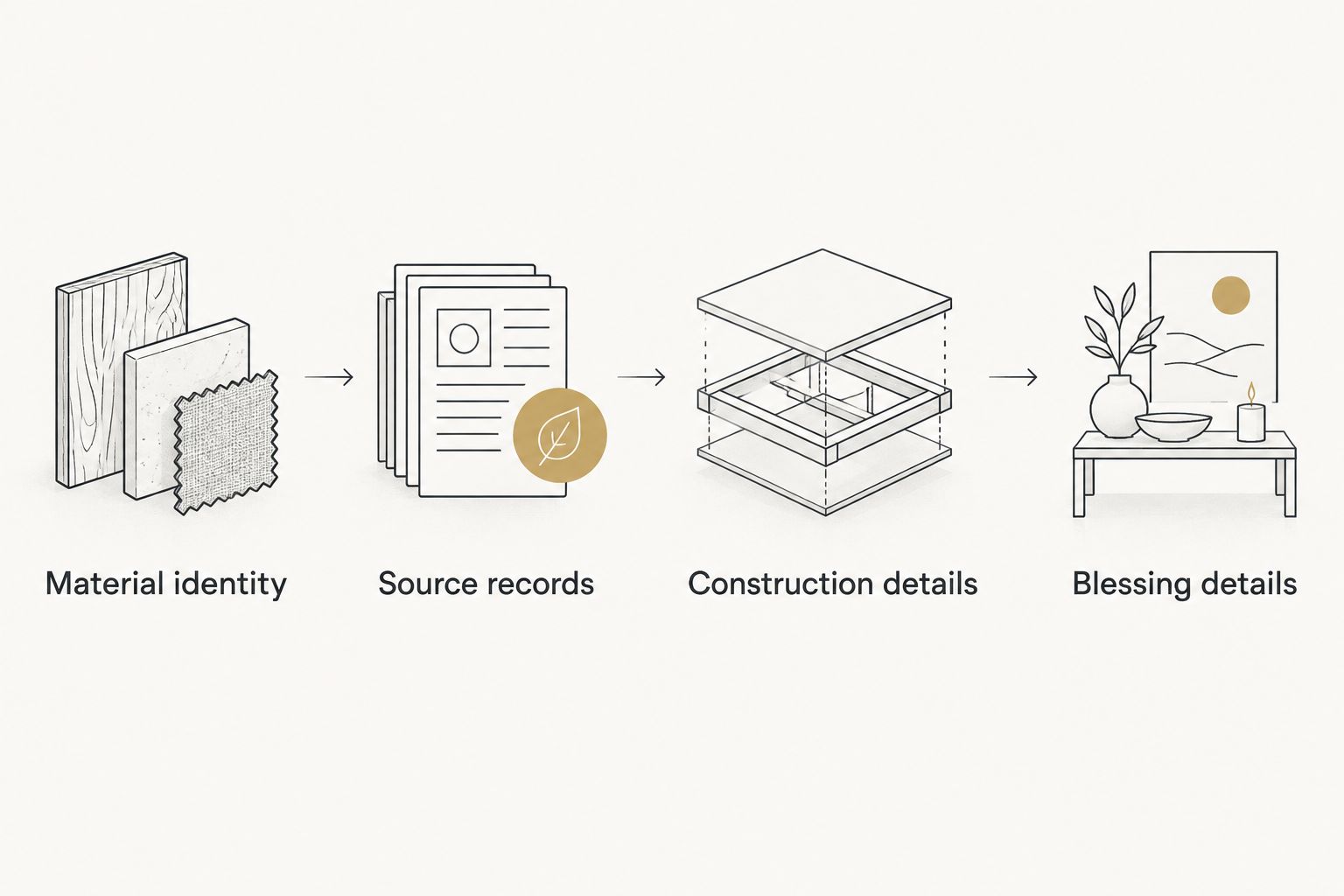
Use the same sequence for each bracelet on your 2026 shortlist. Keep the questions separate so a detailed answer about a blessing does not distract from an unanswered question about the wood.
Material identity
Ask what the beads are made from and how the seller established that identity. A dark color, carved symbol or polished surface is not enough to identify jujube from a photograph.
Request treatment information too. Dye, coatings and surface decoration affect how you interpret appearance, even when the underlying material is correctly named.
Source records
Ask what supports the lightning-strike account and how that source connects to the beads. Look for a coherent explanation of collection, processing and finished material rather than unrelated images.
A source-tree photograph is stronger when accompanied by a clear connection to the wood used. It still needs to be assessed on its own merits.
Construction details
Check bead dimensions, bracelet sizing, cord or clasp type and any metal components. Provenance answers where material came from; construction answers how the finished piece suits your wrist and routine.
Blessing details
If a blessing matters to you, ask whether it applies to the exact piece or option. Request clarification about the service and any video separately from your material questions.
What the Taoist association does—and does not—mean
Lightning-struck wood appears in some Taoist ritual traditions. Treat that association with cultural respect, while distinguishing a wearable commercial bracelet from a ritual implement used within a specific practice.
A seller's reference to Taoism does not itself establish wood identity, strike history or the details of a ceremony. Neither does a blessing demonstrate that jewelry prevents harm or changes financial outcomes.
If your interest in 2026 is personal symbolism, name that intention plainly: a reminder to pause, act carefully or return to a chosen commitment. The bracelet can represent the intention; your actions remain yours.
Fit and care before symbolism
Measure your wrist where you intend to wear the bracelet, then compare that measurement with the seller's sizing method. Wrist circumference, bracelet circumference and a stated fit range are not interchangeable descriptions.
Check whether bead dimensions and fastening details suit typing, sleeves and other jewelry. Do not assume every wooden bracelet uses elastic, or that every mala-style piece wraps the same way.
For care, follow instructions for the exact wood, finish, cord and charm. Avoid water-based cleansing rituals unless the listing explicitly confirms that method is suitable. Remove bracelets before sleeping, and keep deliberate rituals separate from material cleaning.
How these choices are ranked
This 2026 guide ranks buying routes by material clarity, source evidence, construction disclosure and honest symbolism. Documented jujube comes first because it directly addresses the search; ordinary jujube removes the additional origin claim; seed and sandalwood designs serve different material preferences.
The ranking does not claim laboratory authentication or hands-on testing. A named material with clear limits is a better basis for choosing than a dramatic story without support.
Which bracelet should you choose?
Choose documented jujube only if the lightning-strike history is central to your decision and supported by evidence. If you simply like wooden beads, choose a clearly identified material that fits comfortably.
Choose ordinary jujube for the wood itself, bodhi seeds for a seed-based mala-style piece, or sandalwood and obsidian for that material pairing. If none meets your requirements, wait. You do not need to buy a symbolic object to begin a personal practice.
FAQ
What's the best lightning struck jujube wood bracelet?
The best choice is a jujube bracelet with credible material identification, a documented connection to its claimed source and clear construction details. A dark finish or spiritual description alone does not establish lightning-struck provenance.
How can I tell whether jujube beads came from a lightning-struck tree?
You cannot establish a tree's lightning-strike history from bead appearance alone. Ask for supporting source records and an explanation connecting that material to the finished bracelet.
Does a Taoist blessing prove that the wood is authentic?
No. A Taoist blessing concerns a religious or spiritual practice, while wood identification and provenance concern the material and its history. Assess those claims separately.
Is bodhi seed the same material as jujube wood?
No. Bodhi-seed jewelry and jujube-wood jewelry are different material categories. Choose bodhi seeds for their own disclosed material and design, not as proof of a jujube origin.
Will a lightning-struck jujube bracelet protect me or bring wealth?
Jewelry should not be treated as a guarantee of protection or wealth. You can respect traditional associations and use a bracelet as a personal symbol without assigning it control over outcomes.
Can I wash a wooden bracelet or soak it for cleansing?
Do not soak a wooden bracelet unless its specific care instructions permit it. Wood, surface finishes, cords and decorative components need care appropriate to the complete piece.
Should I choose ordinary jujube if the lightning story is unclear?
Choose ordinary jujube if you want that wood and its identity is clearly supported. If documented lightning-struck provenance is essential to you, wait rather than treating an unclear claim as established.
One last thing
The most useful question is not whether a bracelet looks unusual. It is whether the seller can explain the connection between the material story and the object you will receive.
Before choosing, measure your wrist and write down the material you actually want. Let the meaning remain personal—and let the description remain precise.


